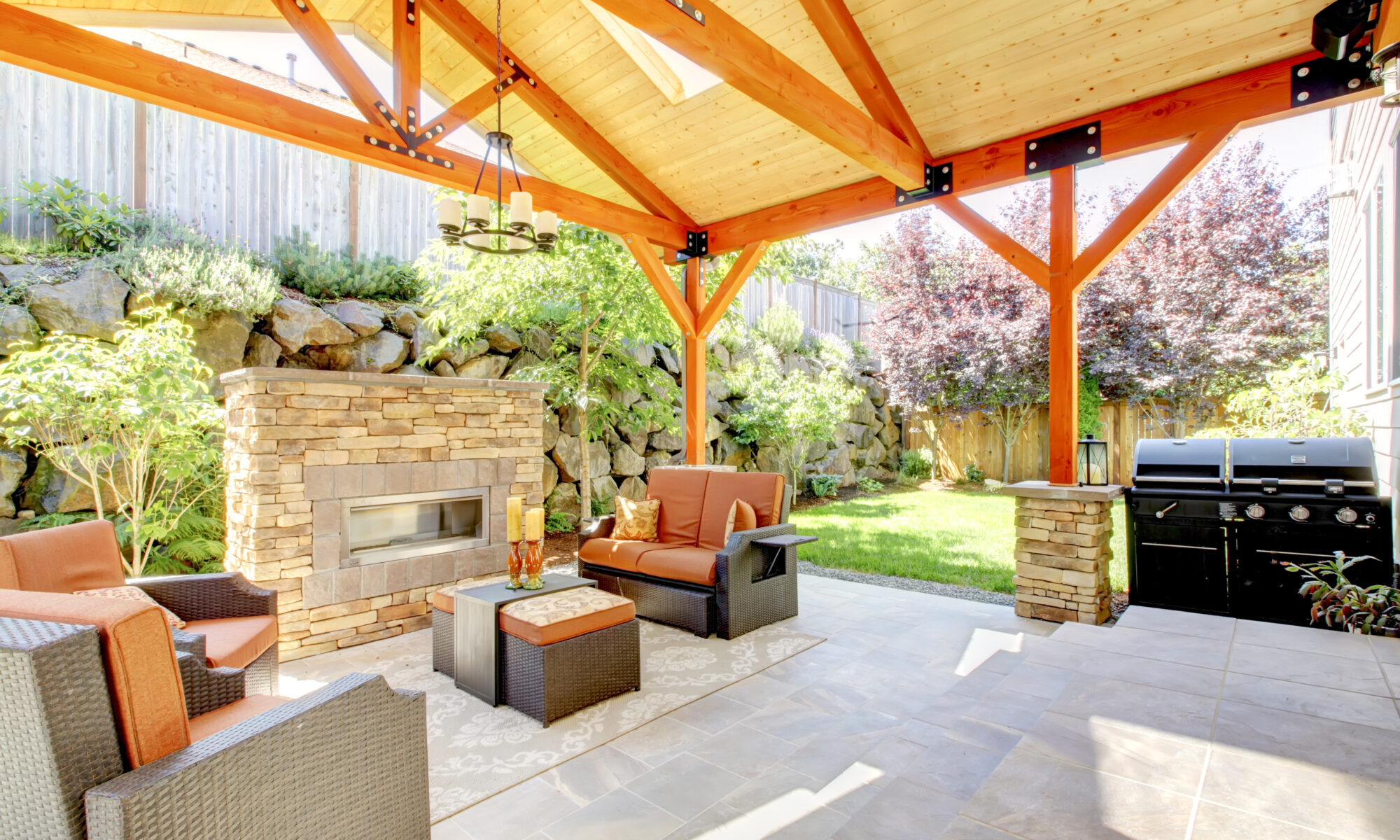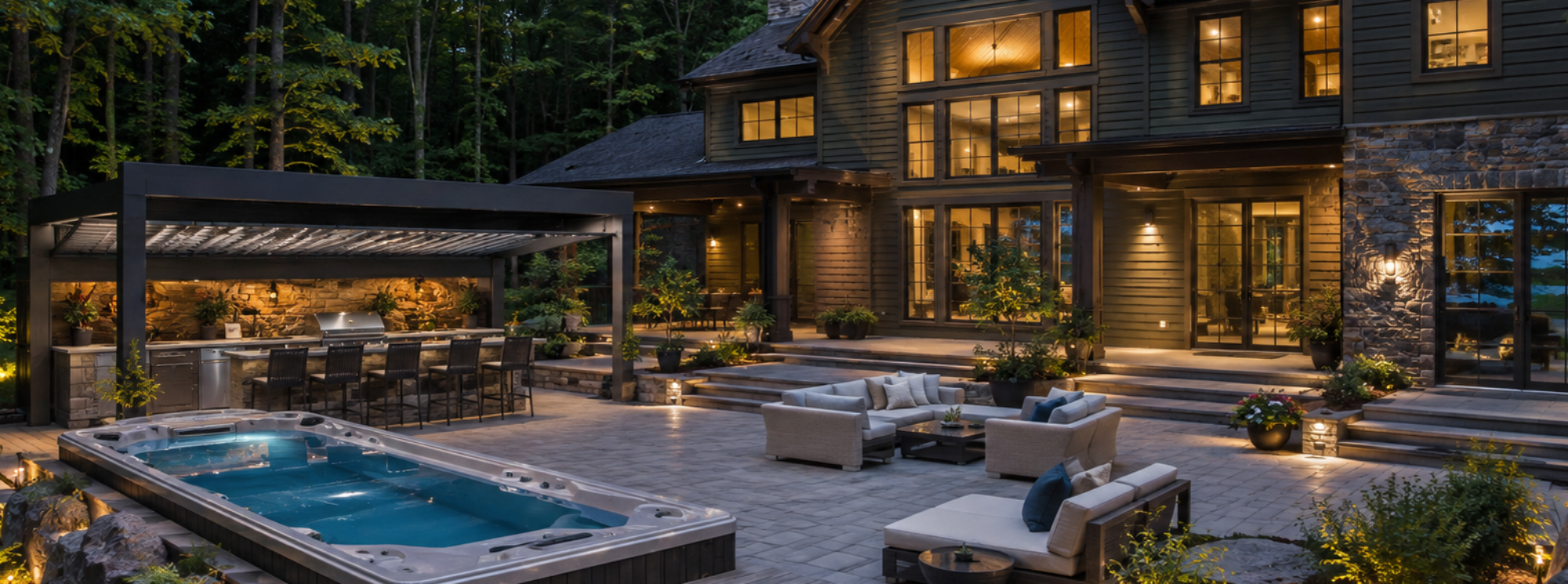

When it comes to outdoor living, landscaping gets a lot of attention—but it’s the hardscape features that really shape the space. Hardscaping adds structure, function, and personality to your yard. From patios to retaining walls, these elements help define how you’ll use your outdoor space and how it looks all year long.
If you’re planning a backyard upgrade, here are some of the most popular hardscape features homeowners are asking for right now:
1. Paver Patios
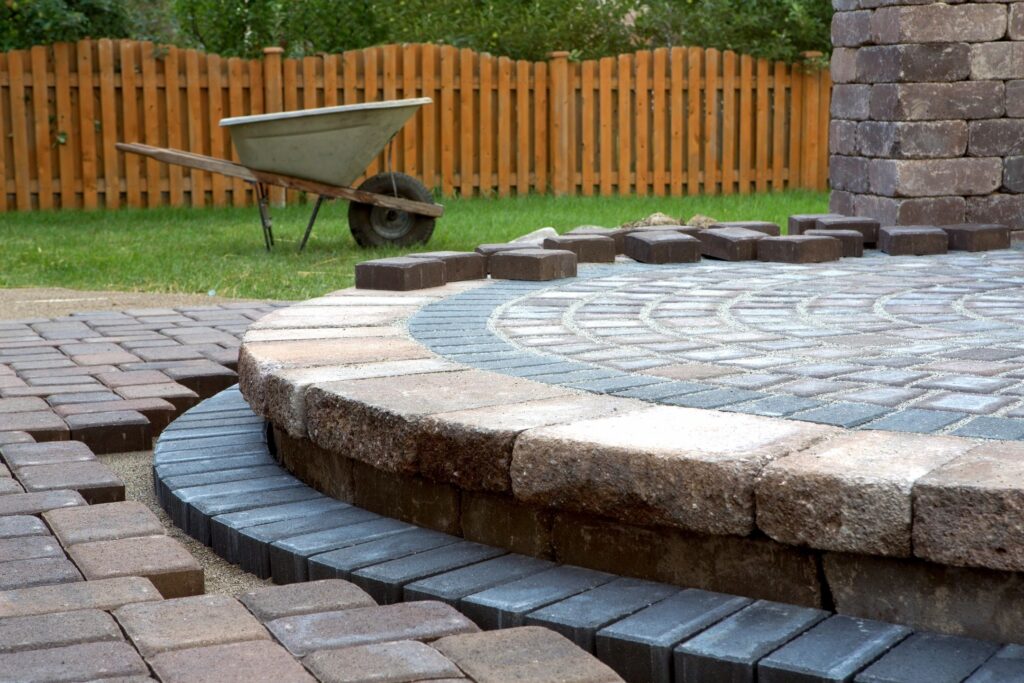
A classic for a reason. Paver patios offer durability, style, and tons of design flexibility. You can go with clean, modern lines or mix different shapes and textures for something more rustic or organic. Whether it’s a spot for your grill, a lounge area, or the base for a firepit, a well-built patio is the foundation of most outdoor spaces.
Popular materials: Concrete pavers, natural stone, porcelain
Why it’s popular: Low maintenance, customizable, adds value
2. Retaining Walls
Retaining walls do more than just hold back soil—they help level sloped yards, define planting beds, and add dimension to your landscape. Today’s retaining walls are often built from decorative blocks or natural stone, blending form and function.
Popular add-ons: Built-in lighting, seating ledges, planters
Why it’s popular: Functional and decorative, especially on uneven terrain
3. Outdoor Kitchens
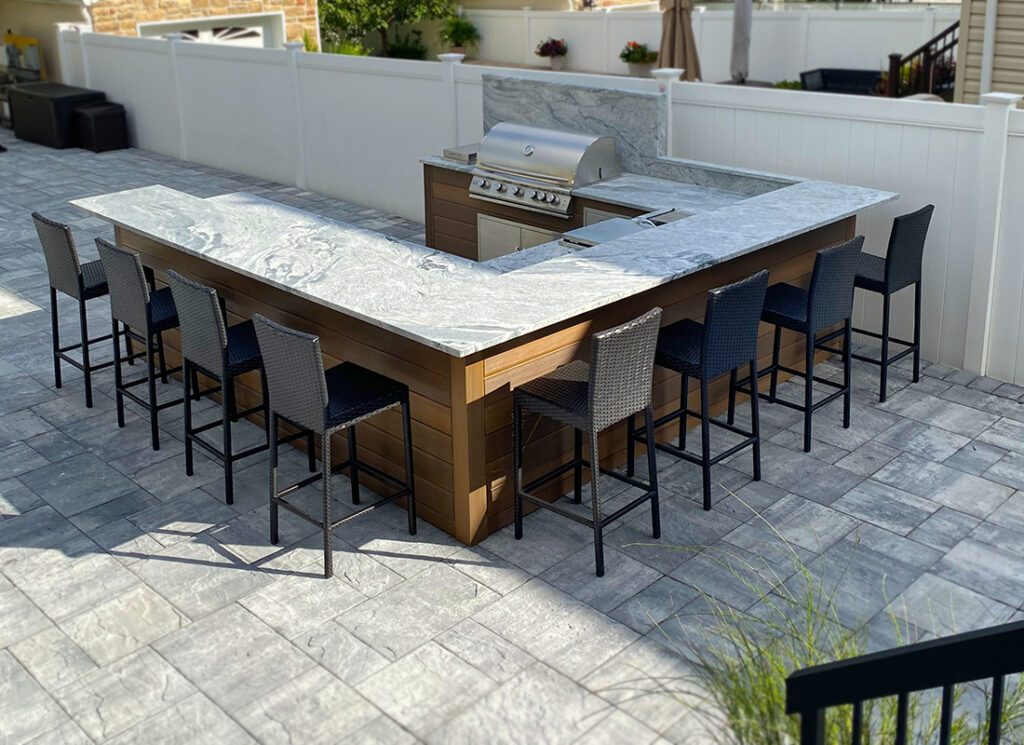
Outdoor kitchens are a growing trend in hardscape design, especially in high-end projects. These spaces often feature stone or brick enclosures, granite or concrete countertops, built-in grills, and even pizza ovens.
Pro tip: Pair your kitchen with a paver patio and pergola for a full entertaining zone.
Why it’s popular: Great for hosting, adds luxury, extends your living space
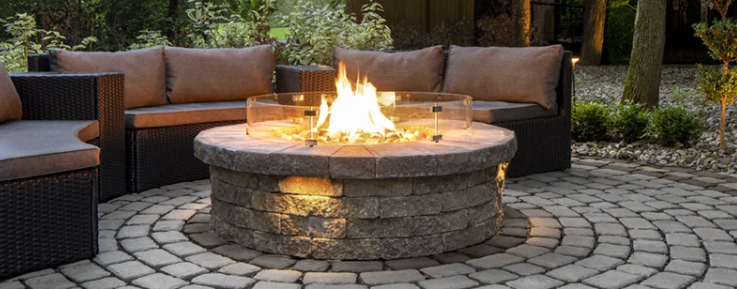
4. Firepit Areas
A firepit surrounded by hardscaping—like a circular paver pad, a gravel base, or even a custom stone bench—is one of the most requested backyard features. It’s cozy, functional, and easy to enjoy all year round.
Why it’s popular: Creates a focal point and encourages gathering
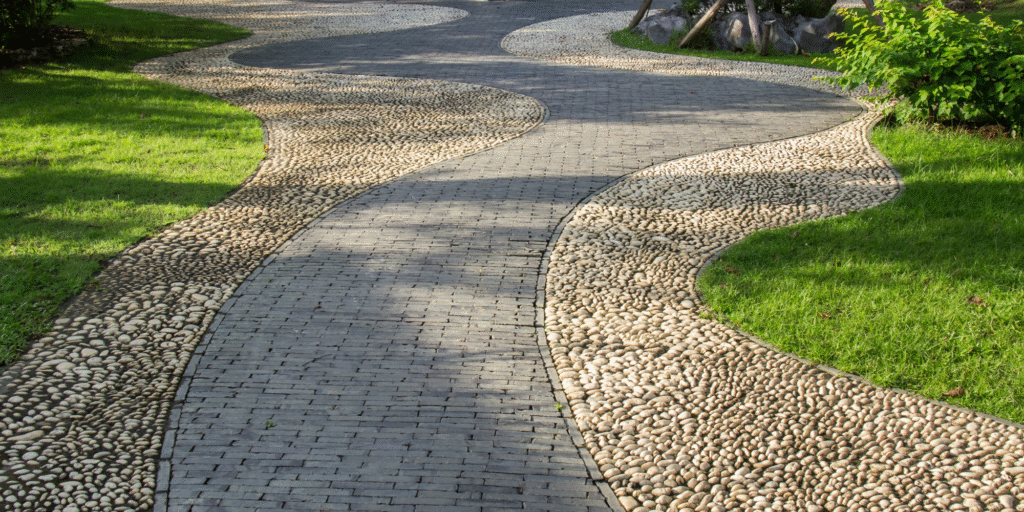
5. Walkways and Stepping Stones
Whether it’s a formal path or a casual stepping-stone trail, hardscape walkways help connect different parts of your yard. They’re especially useful for leading from a patio to a garden, pool, or hot tub.
Popular materials: Flagstone, stamped concrete, brick, pavers
Why it’s popular: Improves flow and adds charm
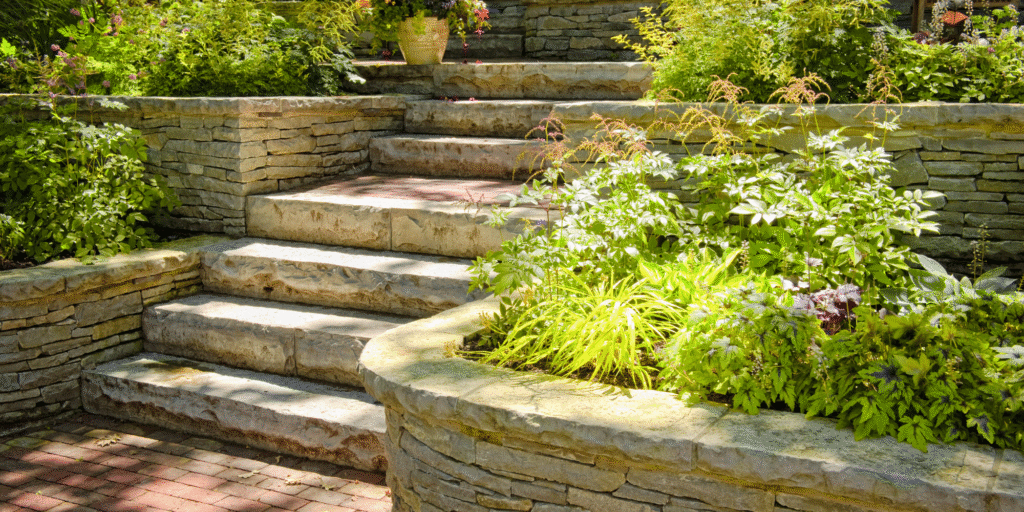
6. Sitting Walls and Built-in Benches
Sitting walls are short stone or block walls that double as seating. They’re often built around patios, firepits, or along pathways. They save space, cut down on furniture needs, and give a clean, finished look.
Why it’s popular: Smart use of space, great for gatherings

7. Pergolas and Shade Structures
While technically a structure, pergolas are often integrated into hardscape plans. Anchoring them to a paver base or low wall adds function and ties everything together visually. Shade structures are great for dining areas, outdoor kitchens, or spa zones.
Why it’s popular: Makes the space usable in hot weather, adds height and style
Putting It All Together
The best outdoor designs combine several of these hardscape features into one cohesive layout. A paver patio with a firepit and sitting wall. A retaining wall that doubles as a garden edge. A kitchen under a pergola with stone countertops. The combinations are endless.
If you’re thinking about investing in hardscaping, start with how you want to use your outdoor space. Then think about the materials, shapes, and finishes that match your style. And if you need help bringing it all together, we’re here to design and build something that fits your space, your goals, and your budget.
Want ideas for your yard? Reach out for a design consultation—we’ll help you choose the right hardscape features to make your space look amazing and feel like home.